
Expert Tips for Ensuring Pet Wellness During In-Home Dog Sitting


Understanding Your Dog's Needs
In-home dog sitting can be a rewarding experience for both the sitter and the pet. However, it requires a deep understanding of the dog's individual needs. Every dog is unique, with different dietary requirements, exercise routines, and comfort levels. It's essential to have a comprehensive discussion with the pet owner to gather all necessary information before the sitting begins.
Ask about the dog's daily routine, favorite toys, and any specific health issues. Knowing these details can help you provide a seamless transition and maintain the dog's wellness throughout the sitting period.
Maintaining a Balanced Diet
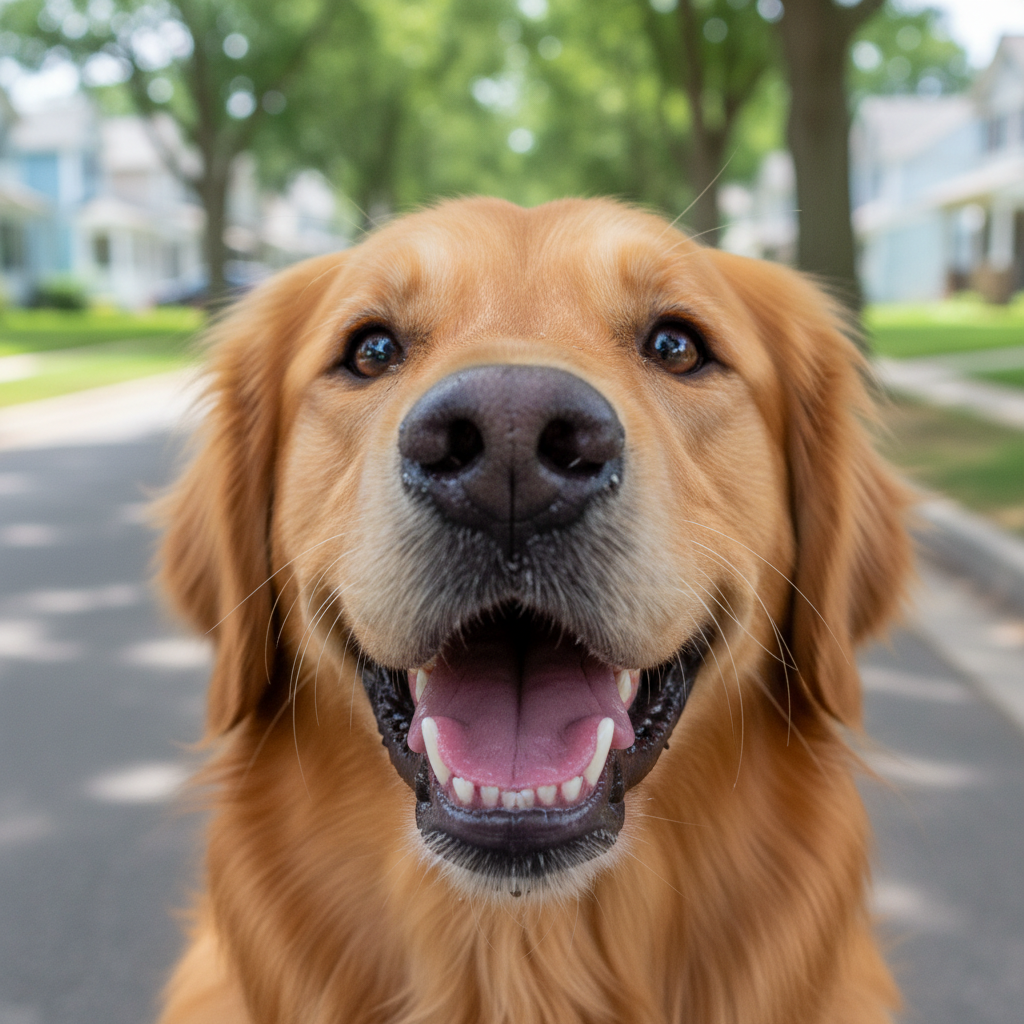
One of the crucial aspects of ensuring pet wellness during in-home dog sitting is maintaining a balanced diet. Dogs thrive on consistency, so it's vital to stick to their regular feeding schedule and portions. Any drastic change in their diet can lead to digestive issues or stress.
If the pet has special dietary needs, such as food allergies or specific brand preferences, make sure to have enough supplies to last the entire sitting duration. Always consult with the pet owner about any dietary restrictions or preferences.
Ensuring Regular Exercise
Exercise is not only important for the dog's physical health but also their mental well-being. Engage the dog in activities they enjoy, whether it's a walk in the park, playing fetch, or a fun game of tug-of-war. Regular exercise helps alleviate stress and anxiety, keeping the pet happy and healthy.
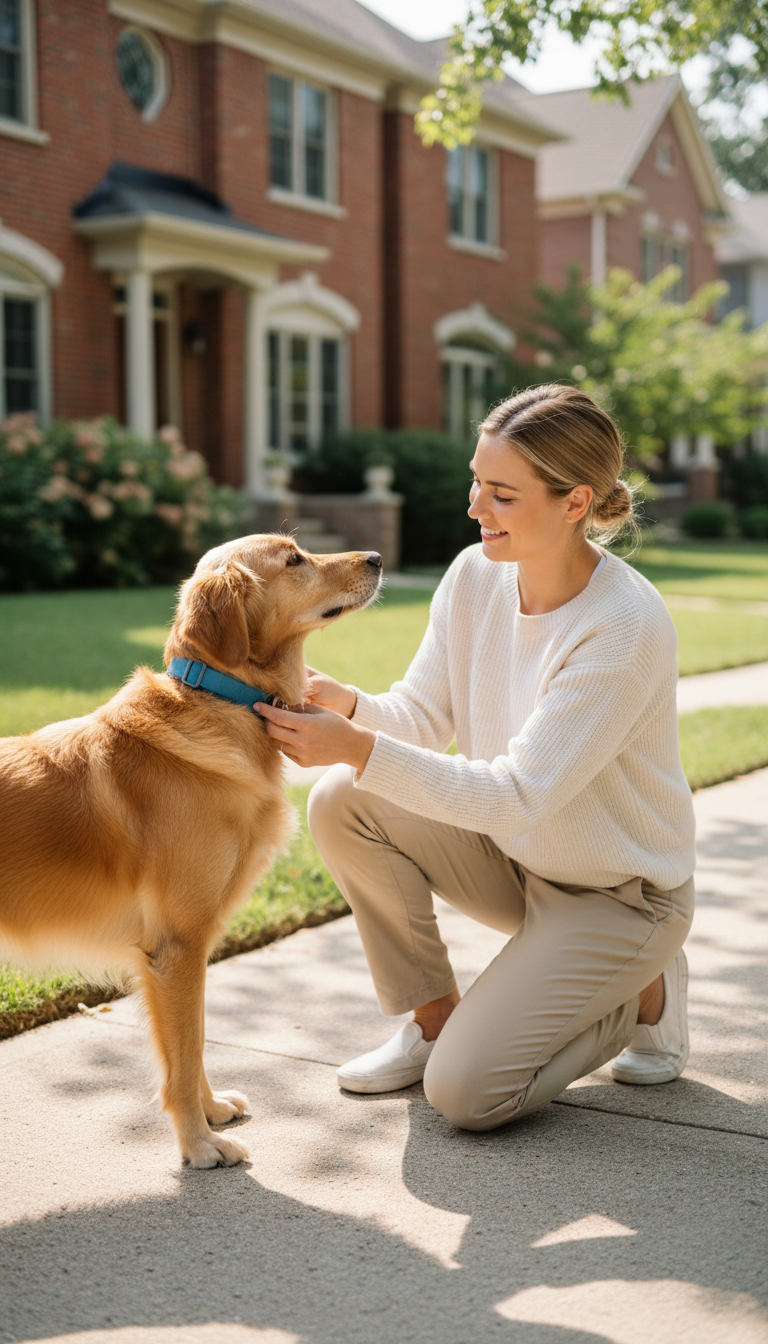
Consider the dog's age and breed when planning activities. Puppies and younger dogs may require more energetic play, while older dogs might prefer leisurely strolls. Always keep a close eye on the dog during these activities to prevent overexertion.
Creating a Safe Environment
Safety is paramount when dog sitting. Ensure that the home environment is secure and free from hazards. Check for any small objects that could be swallowed, secure loose wires, and keep toxic substances like cleaning products and certain plants out of reach.
Familiarize yourself with the location of emergency contacts, including the local vet and animal hospitals. Having a plan in place for emergencies can make a significant difference in ensuring the dog's safety and well-being.

Providing Comfort and Companionship
Dogs often miss their owners, so providing comfort and companionship is essential. Spend quality time with the pet, offering affection and attention. This helps build trust and makes the dog feel secure in your care.
Maintain a calm and soothing demeanor, especially if the dog shows signs of anxiety. A warm, reassuring presence can ease their worries and enhance their overall wellness during the sitting period.
Monitoring Health and Behavior
Keep a close eye on the dog's health and behavior. Look for any signs of distress, such as changes in appetite, lethargy, or unusual behavior. Early detection of these symptoms can prevent potential health issues.
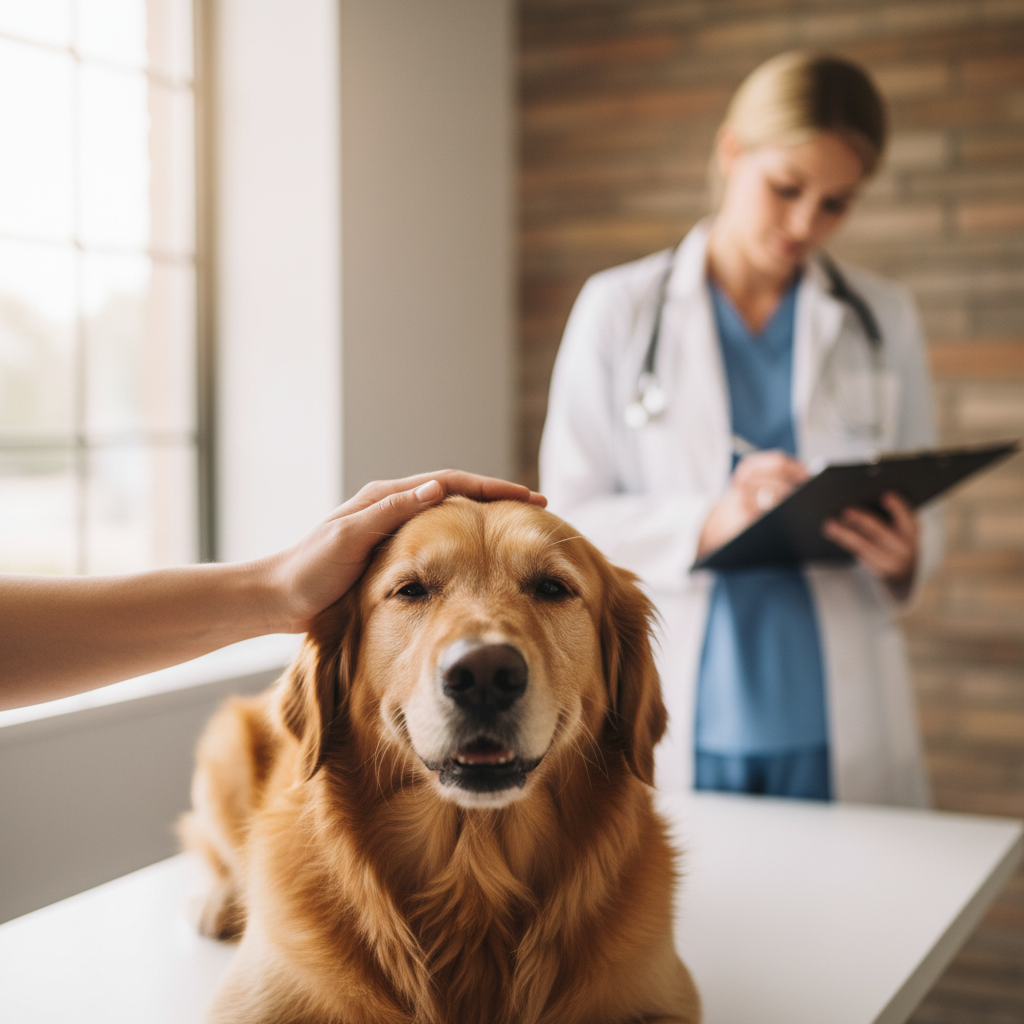
Regularly communicate with the pet owner, providing updates on the dog's condition and activities. This not only reassures the owner but also ensures that any concerns are promptly addressed.